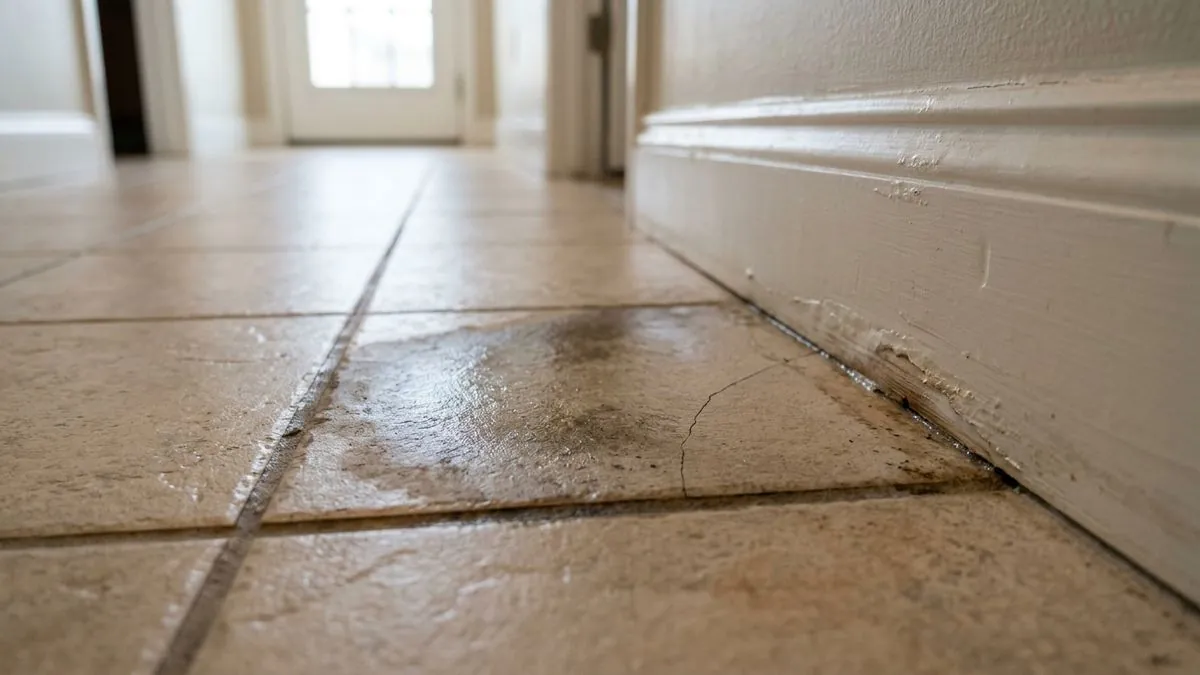
A slab leak is a break in a water or drain line under a concrete foundation. The water has nowhere to go but up into flooring, baseboards and walls, which makes it easy to miss until the bill or the floors give it away.
Slab Leak Water Damage in Dallas: what you need to know
Dallas sits on expansive clay, which swells when wet and shrinks when dry. That movement stresses slab foundations and the pipes embedded in or below them, and over years it can crack lines. Older copper pipes, corrosion and shifting soil all add to the risk.
A plumber finds and fixes the leak, which can mean breaking into the slab or rerouting the line. A restoration crew dries the flooring, baseboards and walls the leak soaked. The two jobs often overlap, and good coordination saves time.
Signs you may need slab leak water damage
- A water bill that rises with no change in use
- Warm or damp spots on the floor
- The sound of running water when everything is off
- Cracks in floors or walls, or lifting flooring
- A musty smell and mold at baseboards
What to do and what happens next
- Check the water meter with everything off to see if it moves
- Shut off the main valve if you suspect an active leak
- Call a plumber for leak detection and repair
- Call us to dry flooring, baseboards and walls
- Pull up wet flooring that cannot be saved
- Verify the area is dry before replacing floors
Slab leaks and Dallas soil
The Blackland Prairie clay under much of the Dallas area is a classic cause of foundation movement. Dry summers and wet springs repeat the swell and shrink cycle every year, and over decades this stresses the pipes under the house. Many older Dallas homes have been through several cycles, and repairs can be extensive. Talk to your insurer too, since coverage varies on slab related claims.
Mistakes that make it worse
- Ignoring a rising water bill
- Replacing flooring before the leak is repaired
- Skipping moisture mapping across the slab
- Assuming the problem is limited to the visible wet spot
What affects the cost
Costs split into plumbing repair, which is the plumber's scope, and restoration, which depends on the size of the wet area. Ask the restoration company for a written scope separate from the plumbing estimate.
Where we help in the Dallas area
Slab Leak Water Damage is available across Dallas and the metroplex. Popular nearby pages:
See every city and ZIP code on our Dallas Fort Worth service areas page and the Dallas ZIP codes and neighborhoods page.
Related services
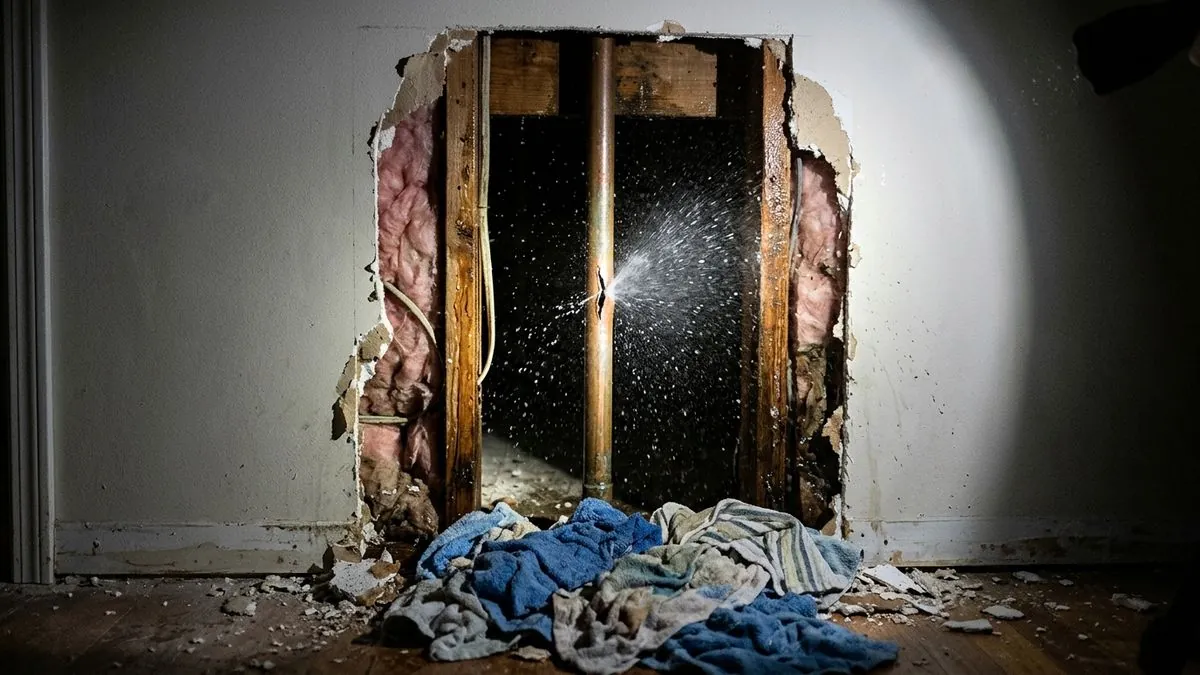
Burst Pipe Water Damage
Cleanup and drying after a frozen, split or failed pipe. Available 24/7.
Learn more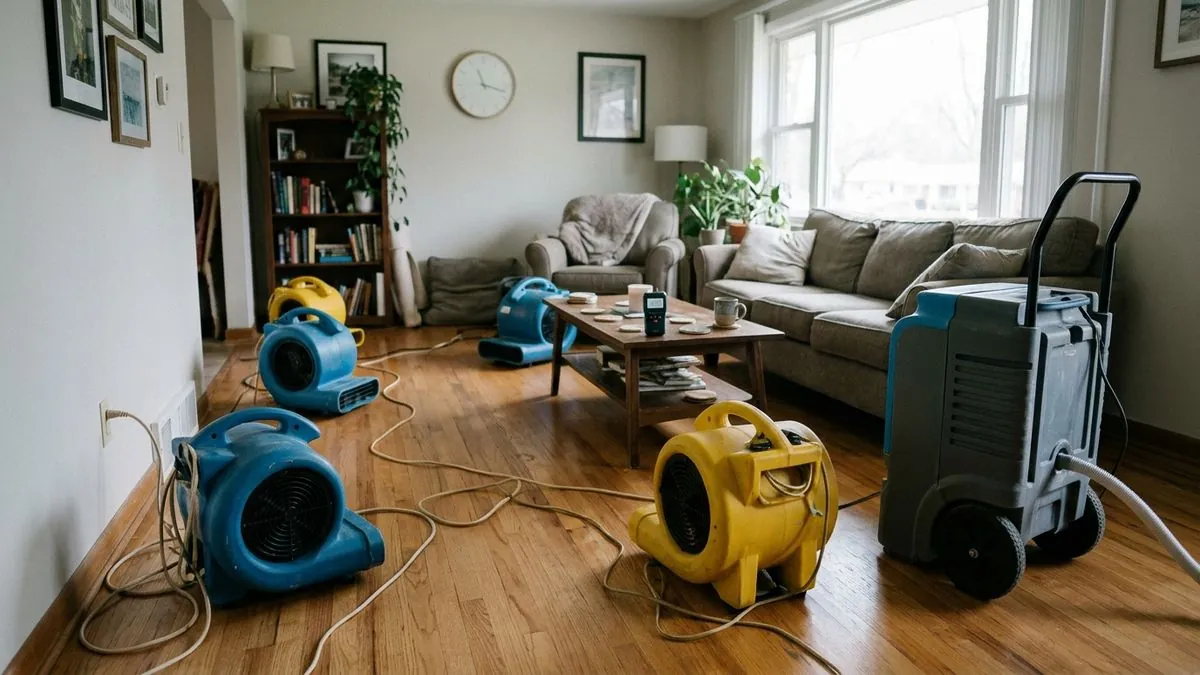
Structural Drying and Dehumidification
Air movers, dehumidifiers and moisture mapping until the building is dry. Available 24/7.
Learn more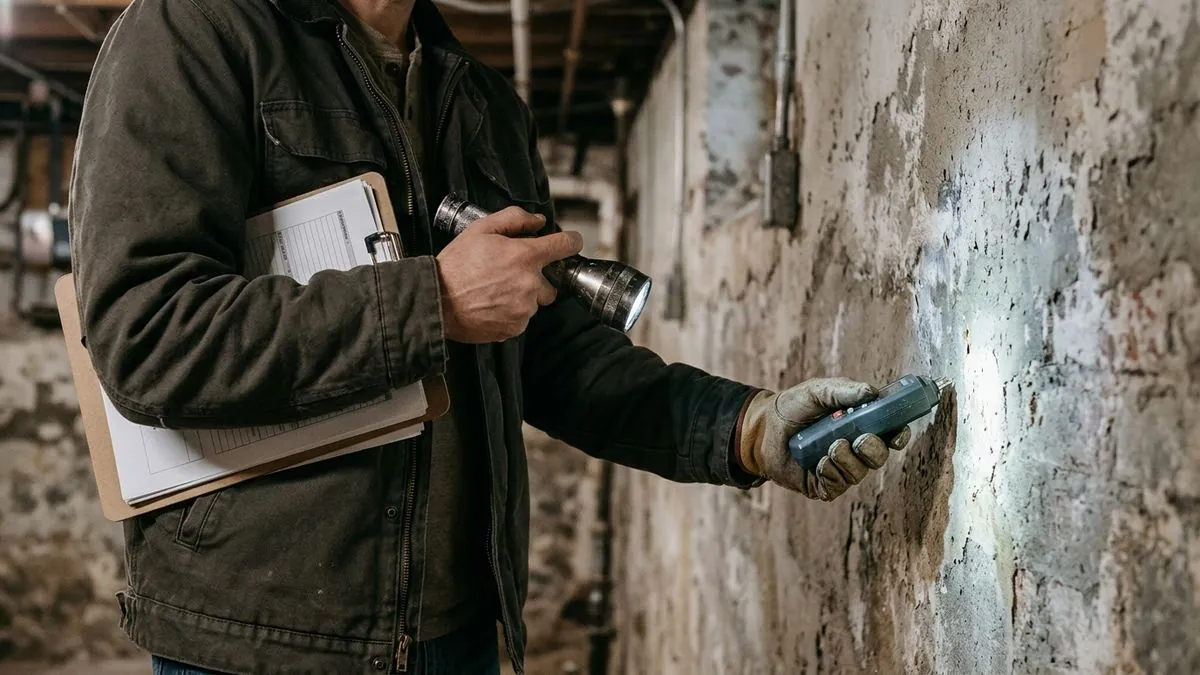
Mold Inspection and Testing
Moisture mapping, sampling and a written plan before any removal. Available 24/7.
Learn more
Water Extraction
Pumping out standing water and pulling moisture from carpet, pad and floors. Available 24/7.
Learn moreGuides worth reading
How help works in Dallas
- Call or send a request any time, 24/7, with your ZIP code and what happened
- The operator confirms your location and connects you with an independent local company that covers it
- The company explains its process and pricing before work starts, then removes water, dries and cleans
Water Damage Restoration Dallas is an independent connection service and is not the contractor. The independent company that arrives sets its own pricing, licenses and terms and does the work. See our disclaimer.
Frequently asked questions
How do I know if I have a slab leak?
Watch for a high water bill, warm floor spots, the sound of running water and damp flooring. A plumber can confirm with leak detection equipment.
Does insurance cover slab leaks in Texas?
Coverage varies. Some policies cover resulting water damage but not the cost of reaching the pipe. Read your policy and ask your insurer.
How long does drying take after a slab leak?
Hardwood and subfloors can take a week or more. Crews use moisture readings to confirm the structure is dry.
Can a slab leak cause mold?
Yes, if flooring and baseboards stay damp. Fast drying lowers the risk.